
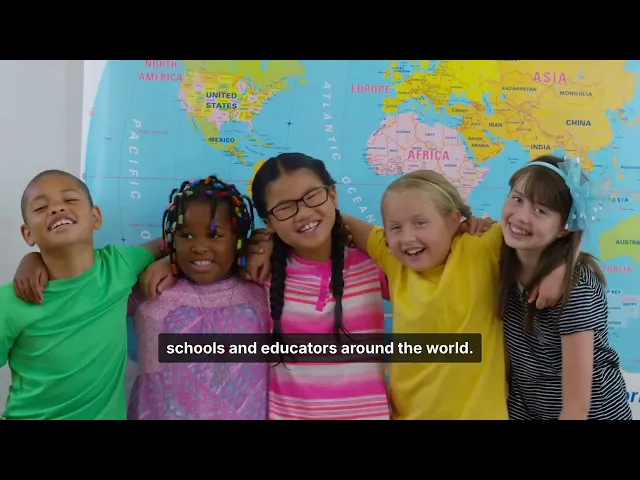
At Horizon Experiential World School, academics begin with a simple belief: education should do more than prepare children for examinations — it should prepare them for life.
Our learning approach in Kindergarten and the primary grades is built on Finnish pedagogy and curriculum, developed in collaboration with Finland International Education (FINE), Helsinki. This brings globally respected Finnish education principles into classrooms where curiosity is encouraged and wellbeing is prioritised. Rather than asking children simply to memorise information, we help them ask questions, explore ideas, make connections, and discover knowledge through meaningful, real-world experiences.
As students grow, this strong Finnish foundation is planned to progress into an International Baccalaureate pathway for the higher years, supporting continuity in inquiry, academic depth, reflection, and global-mindedness. Every lesson, project, and interaction at HEWS is guided by one belief: when children feel happy, safe, and inspired, they achieve their very best.


See Learning at HEWS in Action
Watch how FINE pedagogy helps create the kind of school experience every parent hopes for: less pressure, fewer unnecessary tests, more purposeful play, strong learning outcomes, and children who look forward to coming to school.



Learning Pathways at HEWS
HEWS is building a progressive academic pathway from kindergarten through the higher grades. For the academic year 2027–28, admissions are focused on KG and Primary, with middle and senior school pathways planned from 2028.
The planned IB pathway builds naturally on the Finnish foundation by extending inquiry, reflection, conceptual understanding, communication, and global-mindedness into the higher years.
Together, these approaches create a school model that protects academic depth while reducing unnecessary pressure.
01
Kindergarten
Nursery to PP2
Finnish early learning: positive learning experiences through play, movement, exploration, and creative expression. The curriculum supports confidence-building, language development, social growth, and wellbeing.
02
Primary School
Grades 1–5
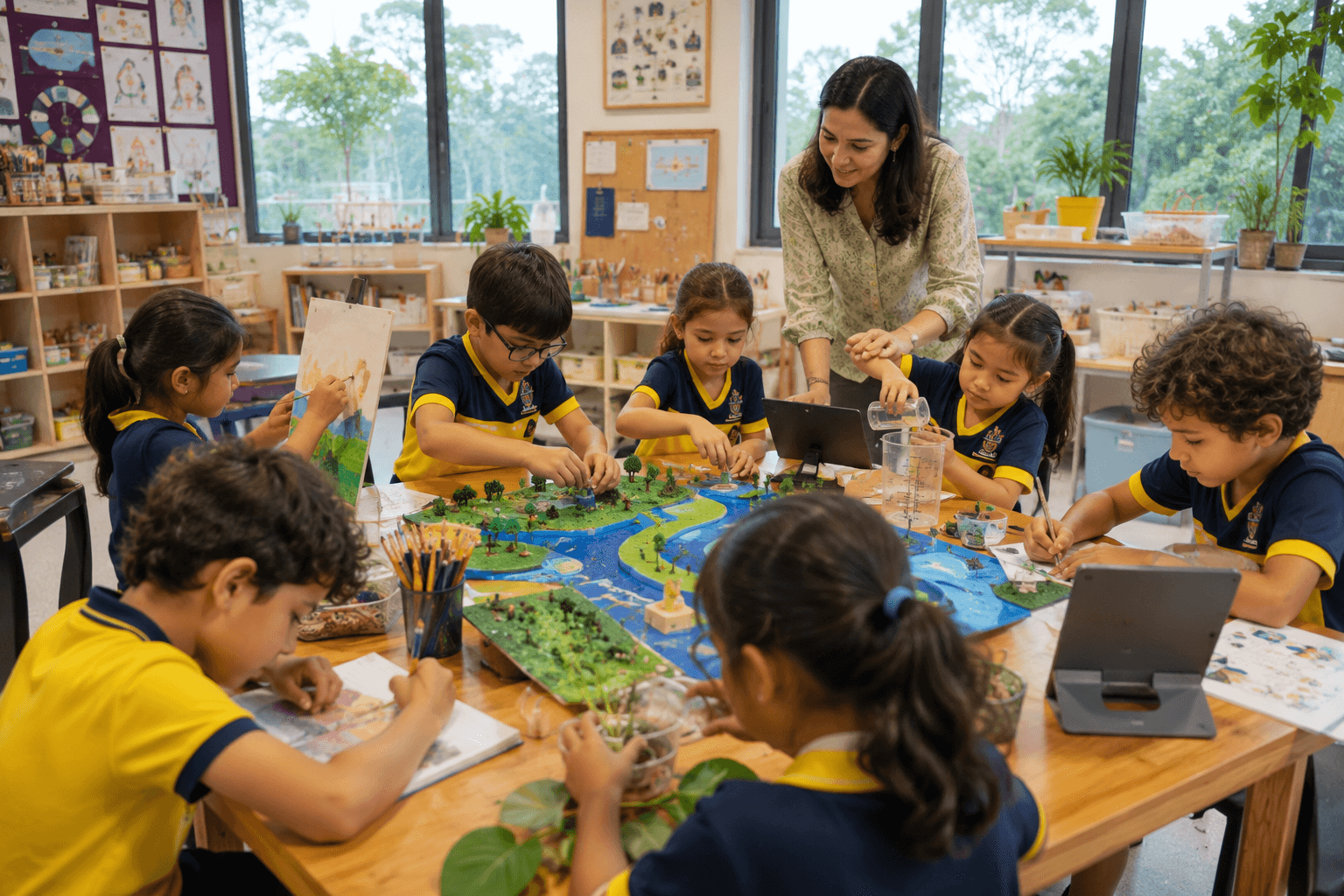
Finnish pedagogy with inquiry, multidisciplinary themes, conceptual understanding, creativity, communication, digital skills, outdoor learning, and growth-focused assessment.
03
Middle School
Grades 11–10
Planned IB MYP with academic depth, interdisciplinary learning, STEAM, research, communication, collaboration, global contexts, and growing independence.
04
High School
Grades 9–12
Planned IB pathway with academic breadth and depth, independent research, reflection, service, career readiness, leadership, and future-focused skills.
HEWS is building a progressive academic pathway from kindergarten through the higher grades. For the academic year 2027–28, admissions are focused on KG and Primary, with middle and senior school pathways planned from 2027.
The planned IB pathway builds naturally on the Finnish foundation by extending inquiry, reflection, conceptual understanding, communication, and global-mindedness into the higher years.
Together, these approaches create a school model that protects academic depth while reducing unnecessary pressure.
Finnish early learning: positive learning experiences through play, movement, exploration, and creative expression. The curriculum supports confidence-building, language development, social growth, and wellbeing.
Finnish pedagogy with inquiry, multidisciplinary themes, conceptual understanding, creativity, communication, digital skills, outdoor learning, and growth-focused assessment.
Planned IB MYP with academic depth, interdisciplinary learning, STEAM, research, communication, collaboration, global contexts, and growing independence.
Planned IB pathway with academic breadth and depth, independent research, reflection, service, career readiness, leadership, and future-focused skills.
Why Parents Choose HEWS
